The Long Race
He has spent much of his adult life moving between two worlds that appear to have little in common: national-level motorsport and entrepreneurship. To him, both run on much the same principles — preparation, judgement, resilience and knowing precisely when to take a risk.
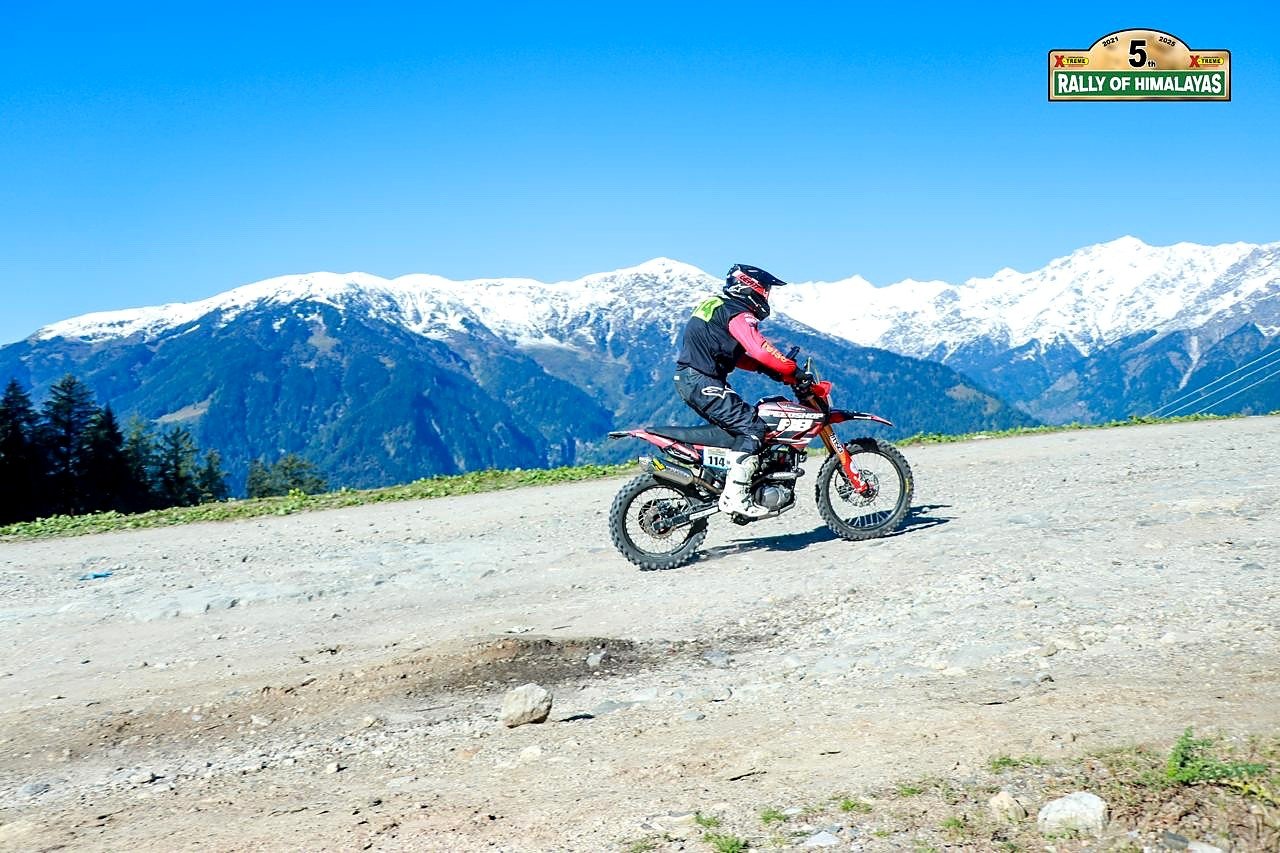
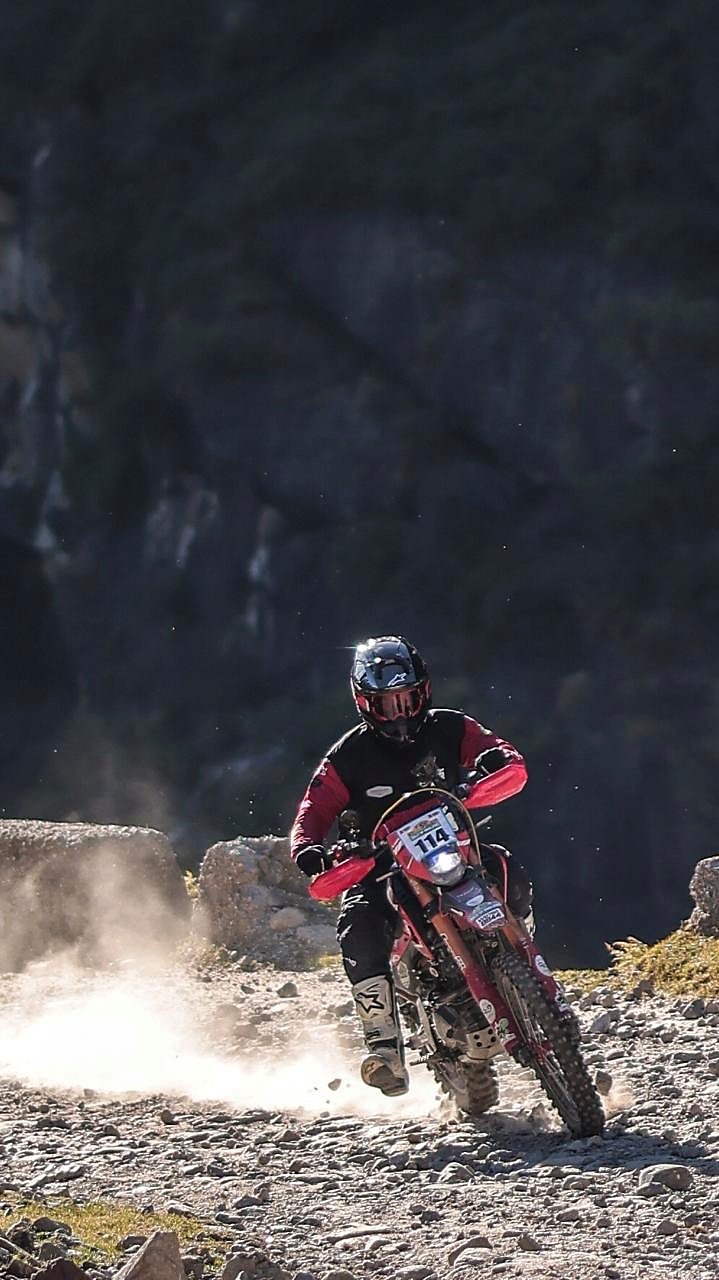
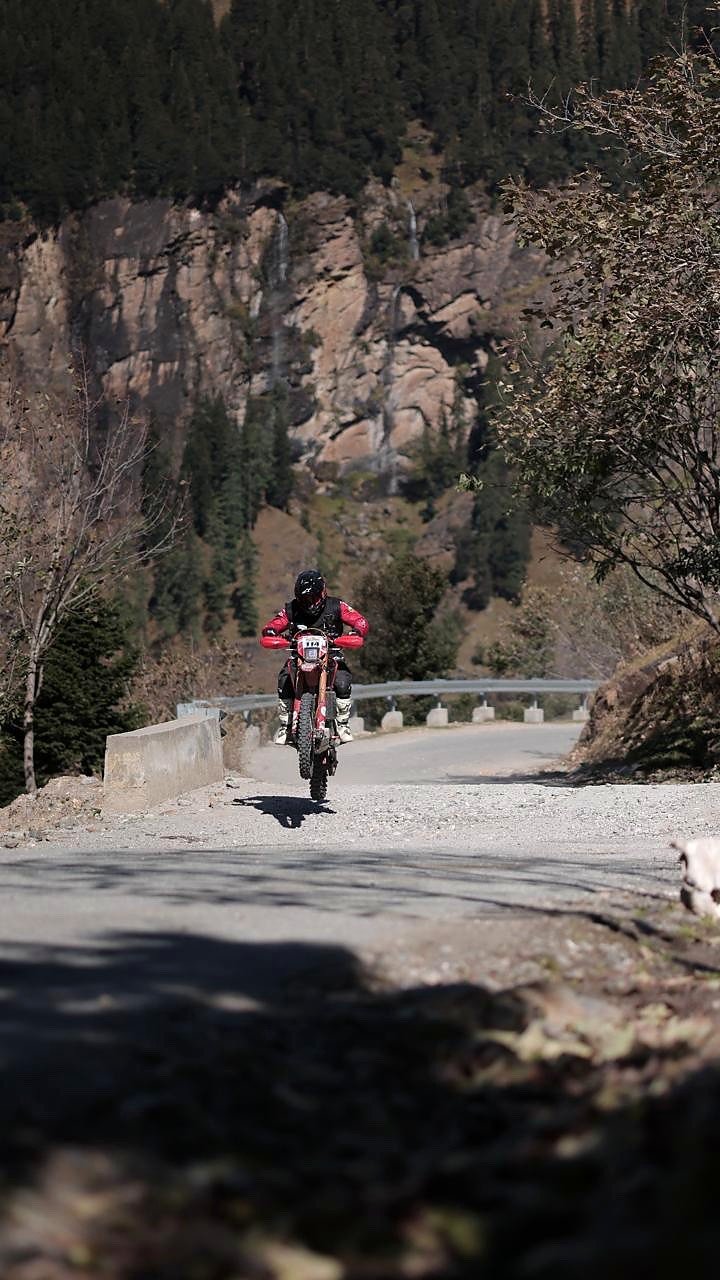
At four in the morning in the Himalayas, with the temperature below freezing and several hundred kilometres of competition still ahead, speed becomes a rather different idea. The rider is standing on the pegs of a motorcycle moving across broken terrain, sometimes at more than 100 kilometres an hour, reading the ground almost as quickly as it arrives.
Leon Lhendup Wangdi describes what happens inside the helmet in such moments with the calmness of someone for whom this has become familiar. Time seems to change. Decisions that would ordinarily require thought become instinctive. The machine moves, the terrain changes, and the rider has to remain slightly ahead of both.
It is a useful image with which to understand Leon. His story contains plenty of speed, but its more interesting theme is knowing when not to go flat out.
Before the racing suit
At St. Augustine’s School, Leon was a strong student. Cars, however, were already part of the background of his life. His family were automobile enthusiasts, and at eight he was riding a 50cc Honda ZB. By Class 6 he was following Formula One and MotoGP.
His family set one condition: finish the ICSE first. So in 2010, at sixteen, Leon entered the Indian National two-stroke karting championship .
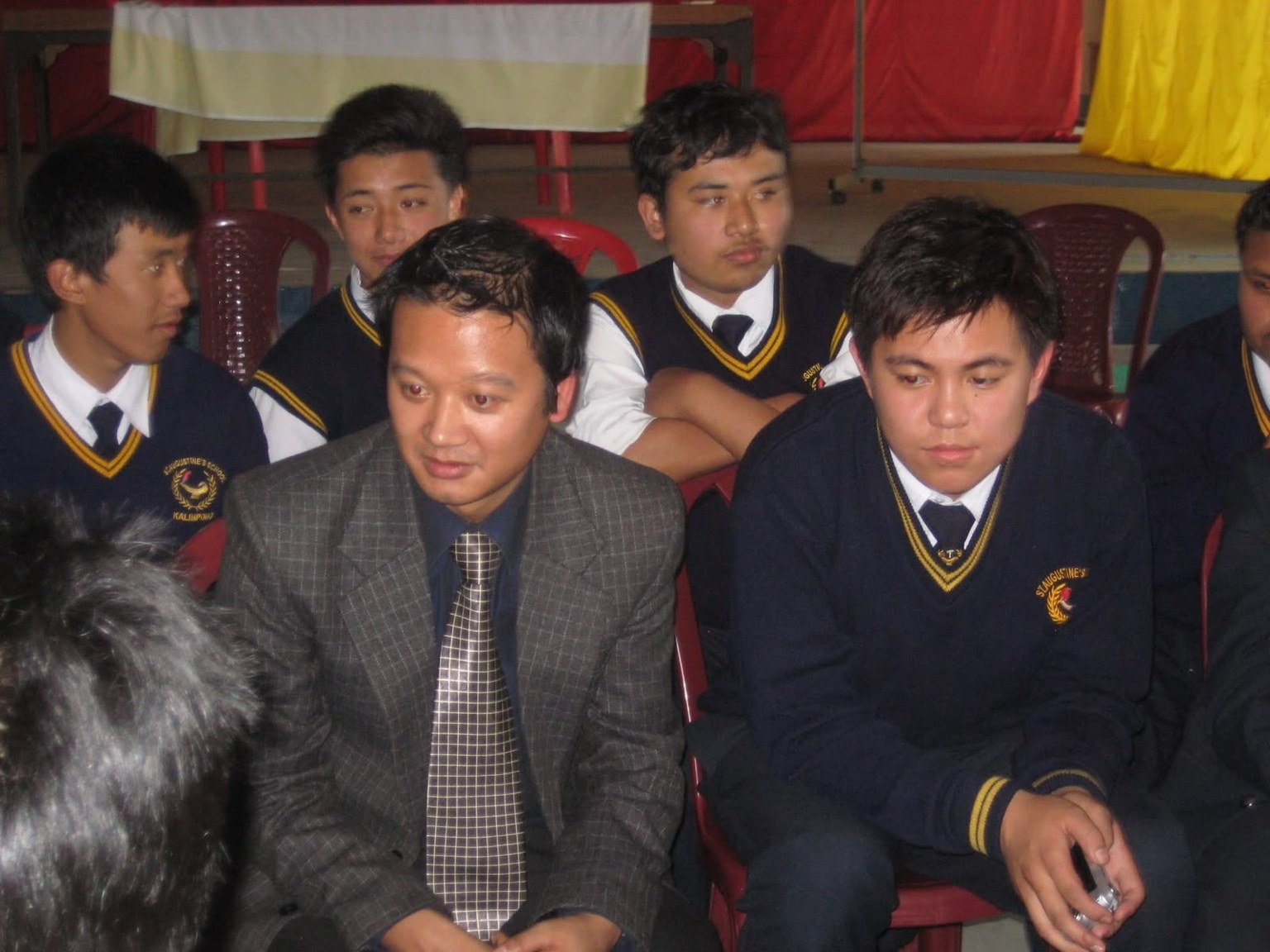
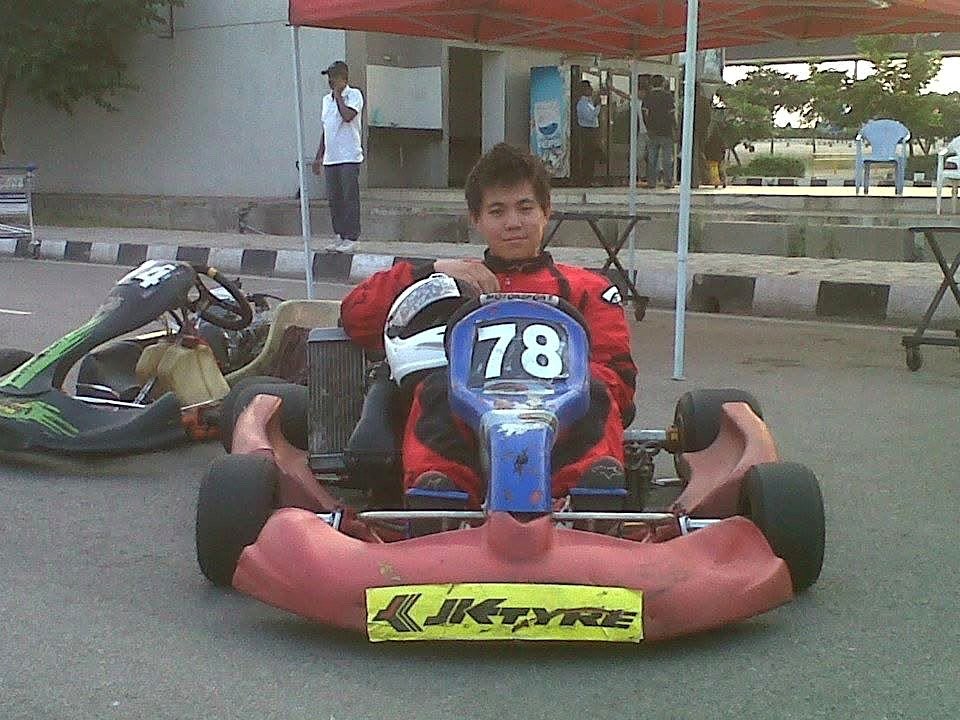
The following year brought a succession of results. Leon won the Amaron Karting Challenge, finished fourth in the Rookie Cup Challenge and received an invitation to the final driver selection for the 2011 Volkswagen Polo Cup.
And all this was happening while he was still at SAS. His strongest school memories are consequently from Classes 11 and 12: travelling frequently to South India to race, studying Commerce, managing attendance and schoolwork, and somehow continuing to finish first in class while also winning on national karting circuits. There are easier ways to spend the final two years of school.
Knowing when to change the race
Motorsport has a particularly cruel arithmetic. Talent is indispensable, but talent alone does not pay for a season. The route towards Formula One demanded financial resources on a scale that made continuing increasingly difficult.
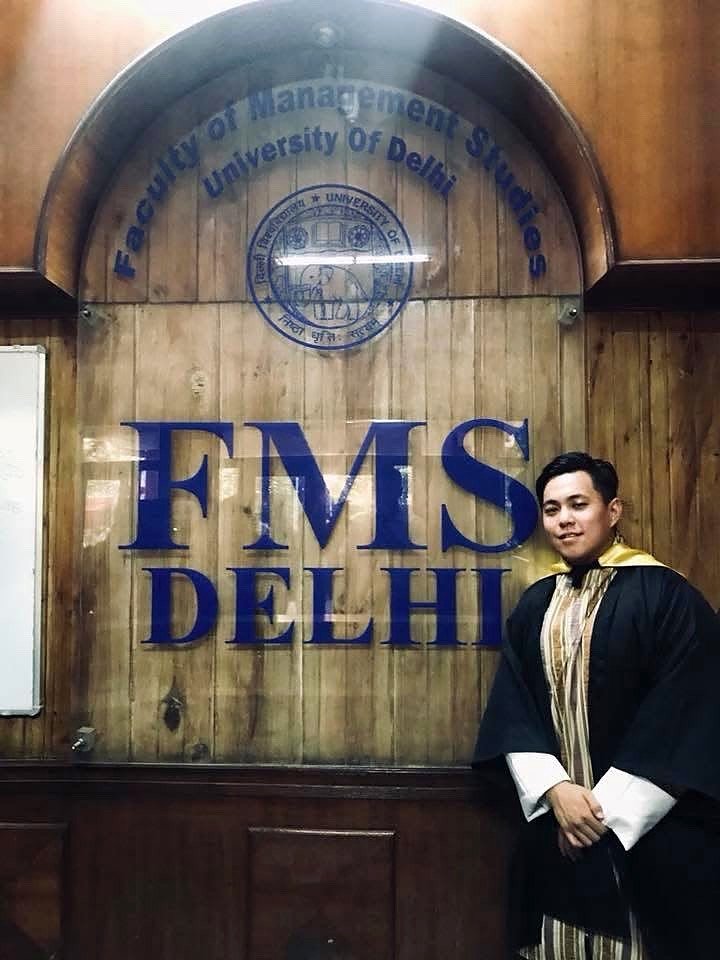
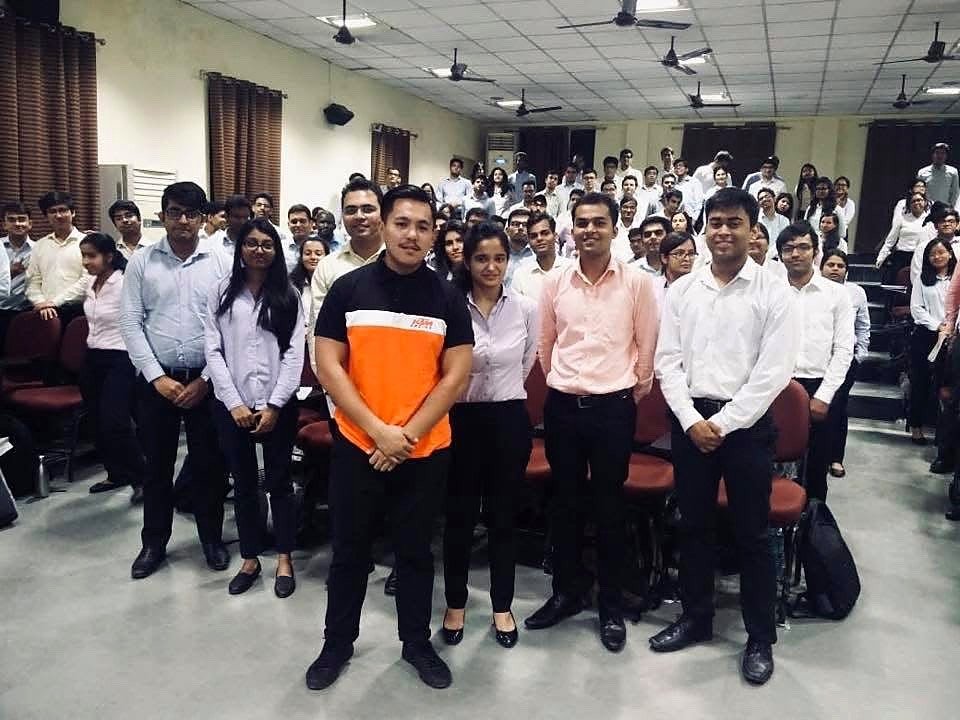
Leon changed direction. He secured the marks needed for Shri Ram College of Commerce , where he studied Economics, and later completed an MBA at the Faculty of Management Studies, Delhi .
It would have been easy to describe that decision as the end of a racing ambition. It was not. It merely went quiet.
Five hundred kilometres. Three days.
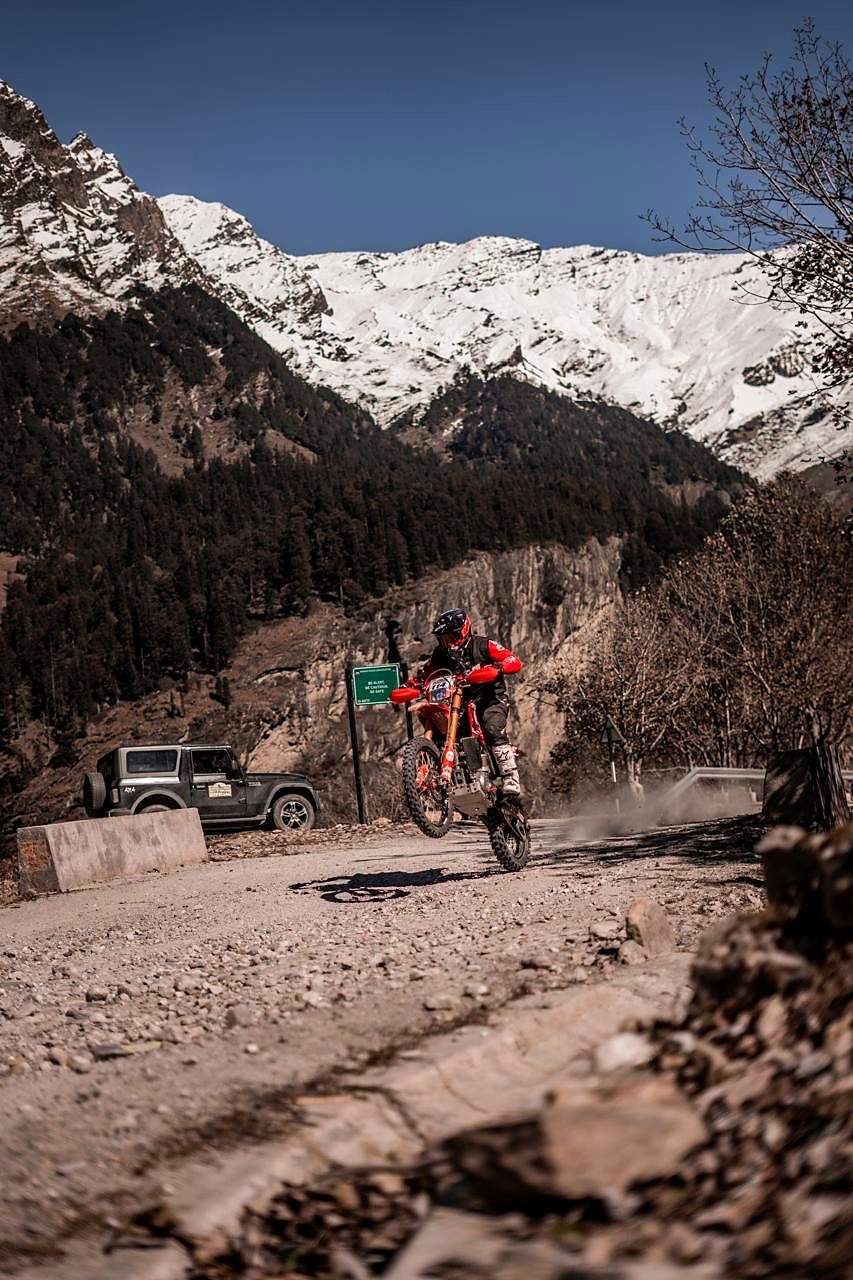
For almost a decade Leon stayed away from competitive motorsport, gaining corporate experience along the way. Then, in 2021, he returned — but not to karts, and not even to four wheels. He came back on a motorcycle, and this time the race track was the Himalayas.
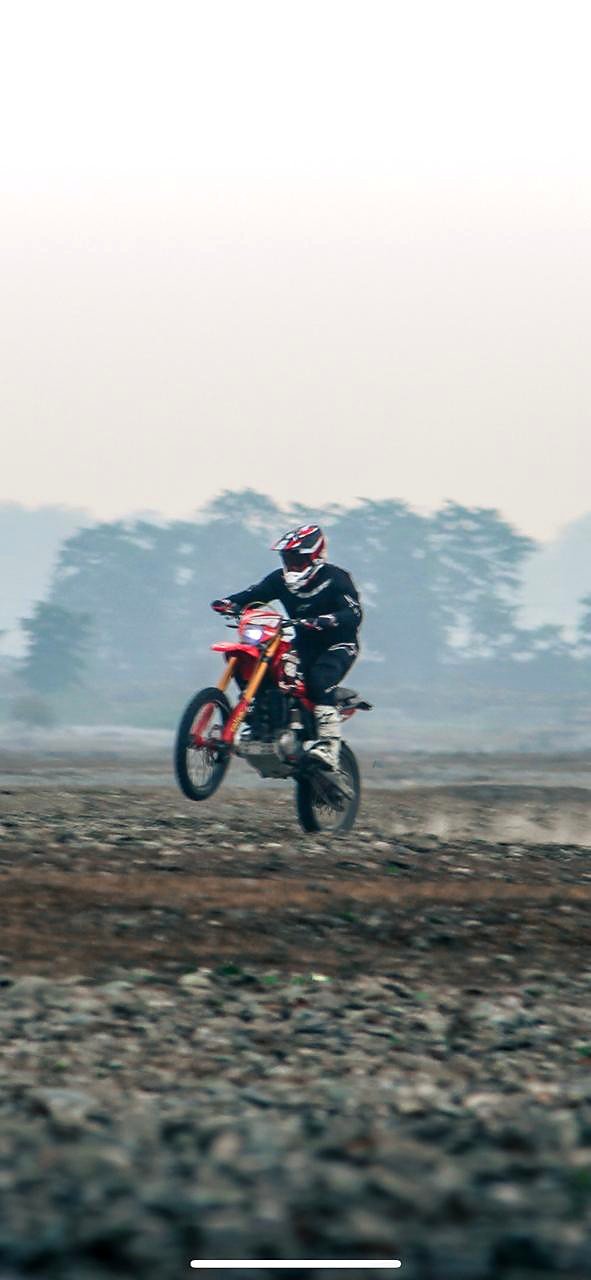
Leon now competes in national two-wheel cross-country rallying. A typical event runs for three days and may cover around 500 kilometres. This is not recreational group riding masquerading under the word “rally”; it is timed competition across difficult off-road terrain.
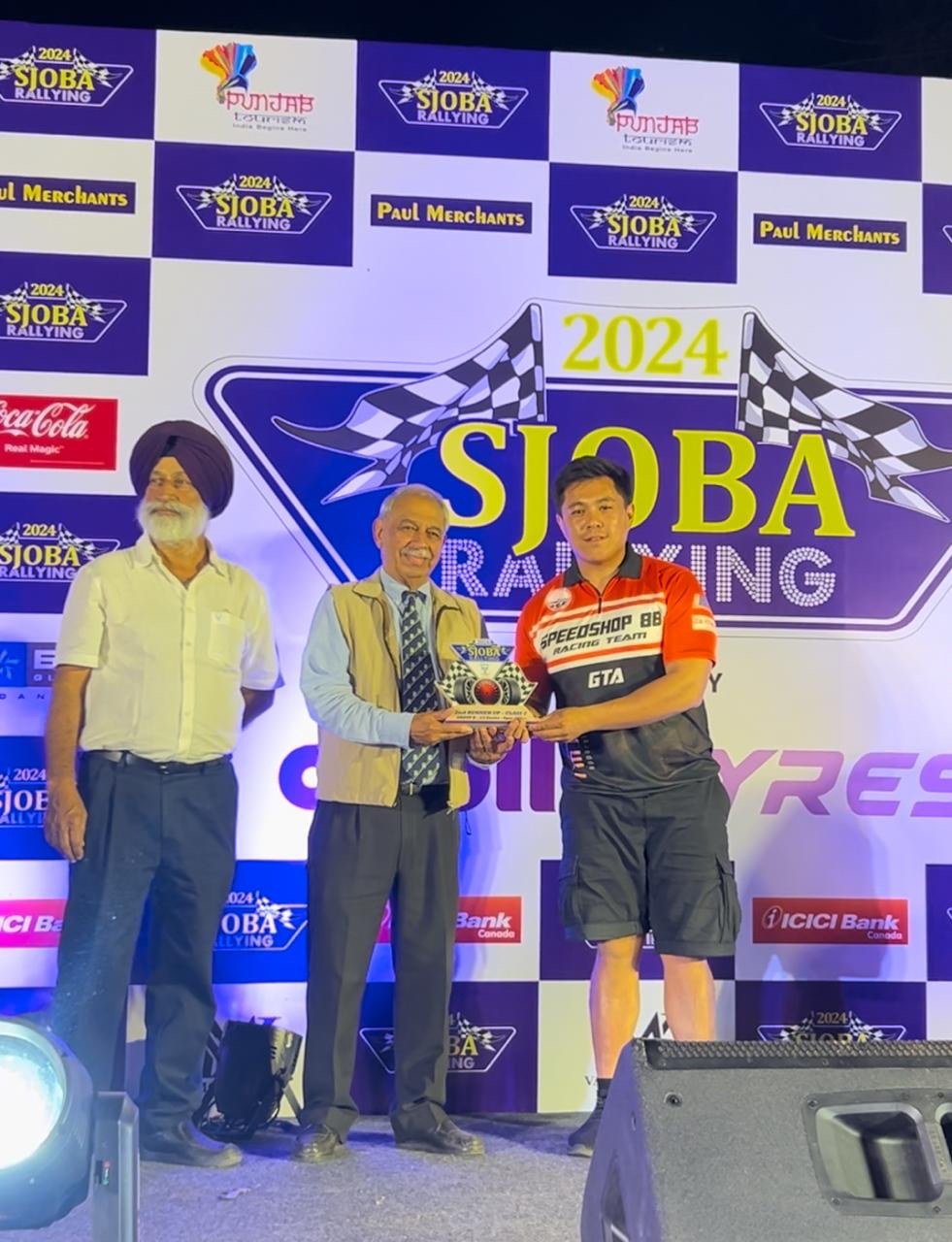
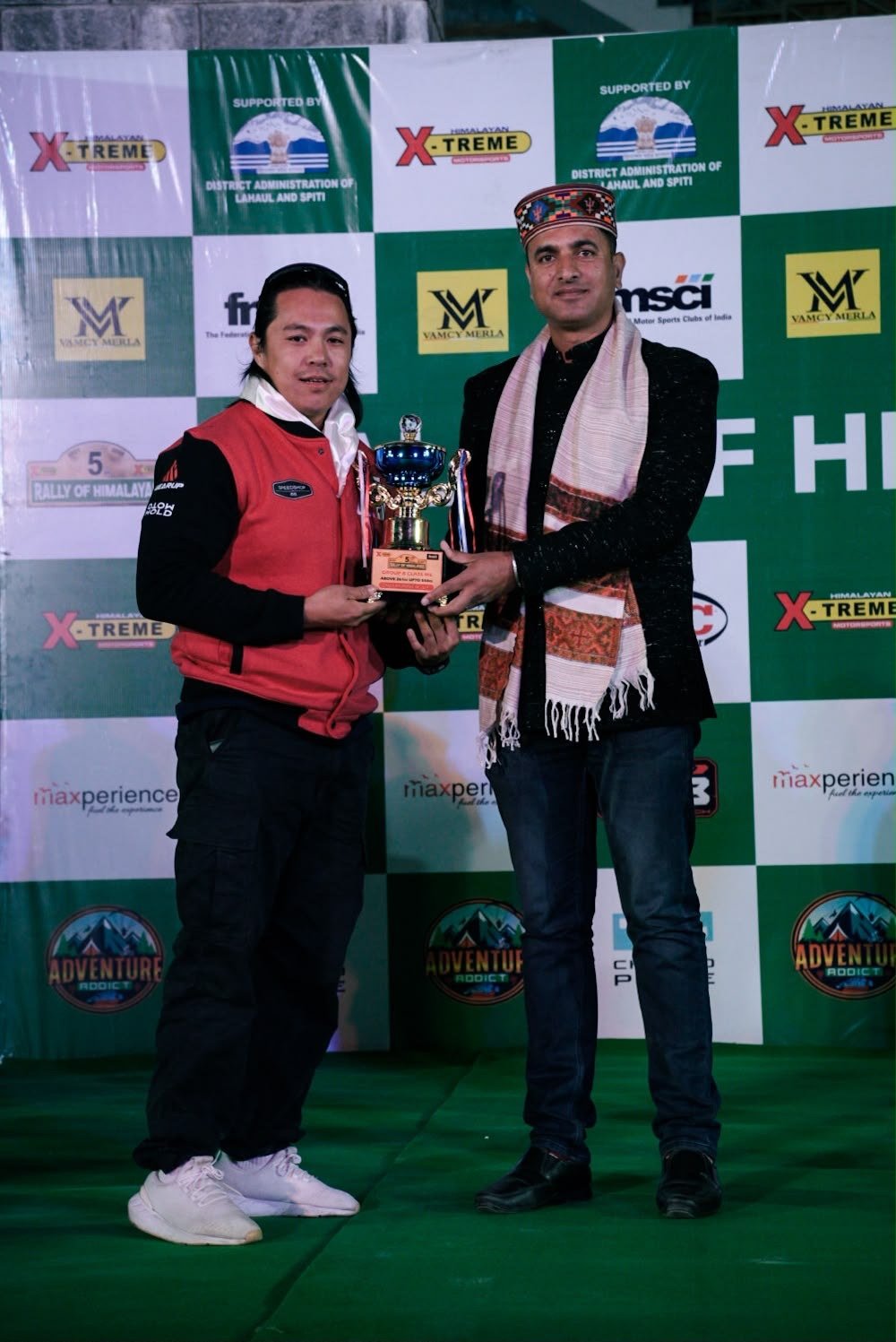
His results chart the progression: fifth on debut at the Rally of Himalayas in 2021, fourth at the SJOBA Rally in 2023, third at SJOBA in 2024 and third at the Rally of Himalayas in 2025.
The work before the flag drops
A race may last three days, but Leon’s preparation begins months earlier. He describes a three-month “prep zone”: diet becomes stricter, training rises to six days a week, and motorcycle practice is added to the programme. Endurance matters, but so do the core and legs required to control a motorcycle for hours over rough ground.
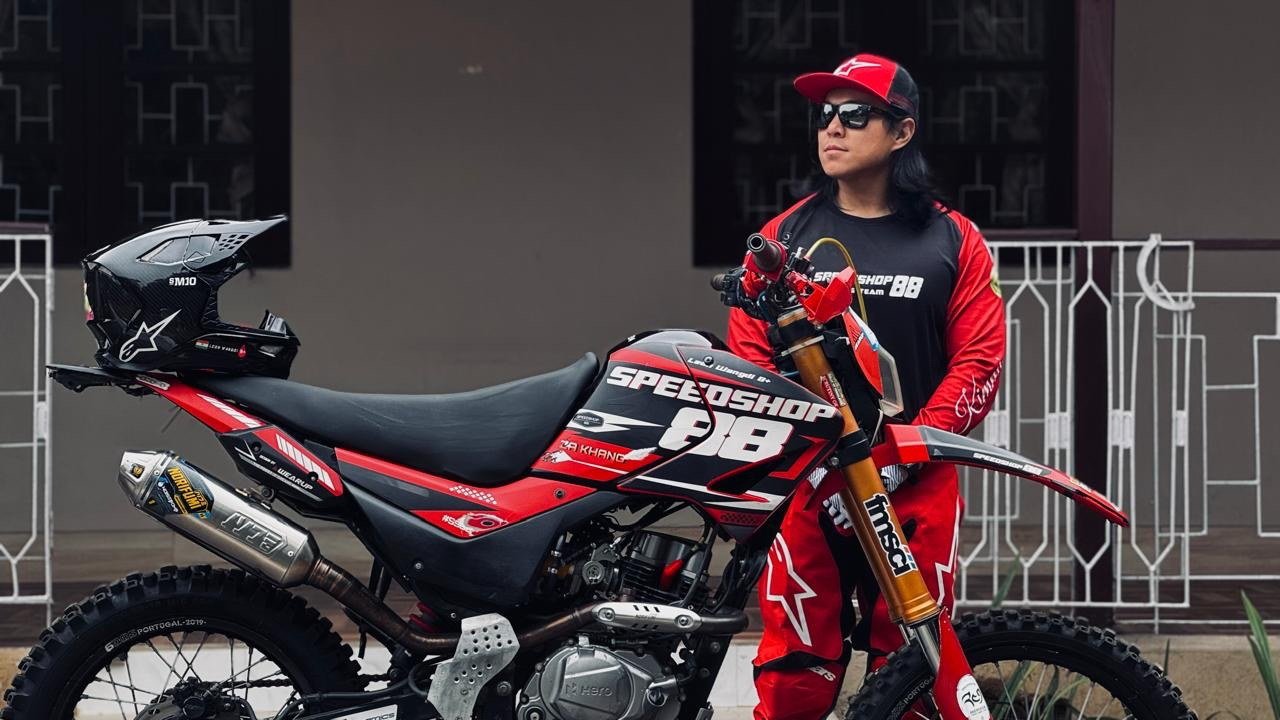
The machine receives its own preparation. Through Speedshop88 Racing, the team works on weight, performance and setup. Engines may be sent to Indonesia for specialised work, while components are sourced from Europe and Thailand.
Speedshop88
A fellow Sasonian is central to that side of the operation. Mingma Bhutia , an older alumnus of SAS, is the team’s technical head. Leon gives feedback after practice sessions; Mingma adjusts the motorcycle. Sometimes the machine changes, sometimes the rider has to.
There is something pleasingly Sasonian about the arrangement: two former boys from the same school, years later, trying to make a racing motorcycle fractionally faster.
The arithmetic of risk
This is where Leon’s account of racing becomes more interesting than a simple celebration of speed. A three-day rally cannot be won sensibly by treating every kilometre as a sprint. There are places to attack and places to exercise restraint. The rider has to preserve himself, but also the motorcycle.
That requires a particular kind of calm: reacting quickly without becoming hurried, adapting to terrain, judging how much risk a section warrants, and remembering that there is another day of competition after this one.
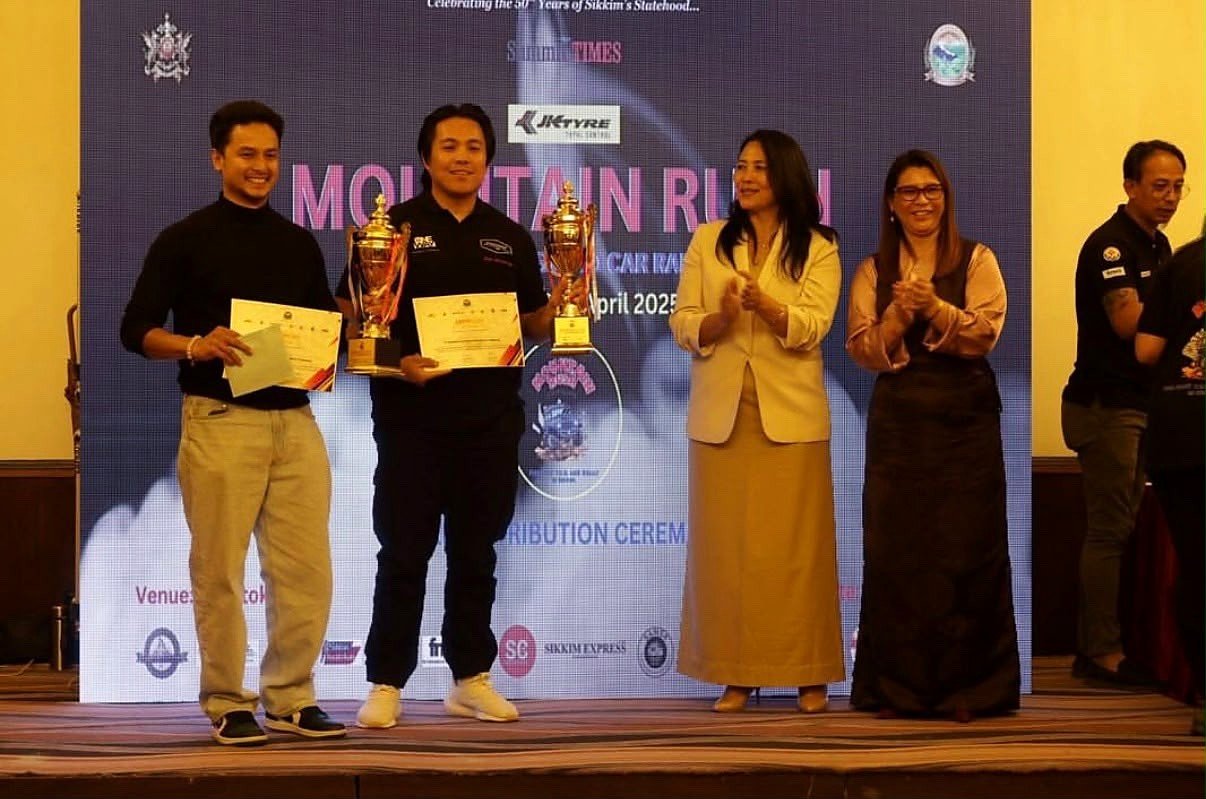
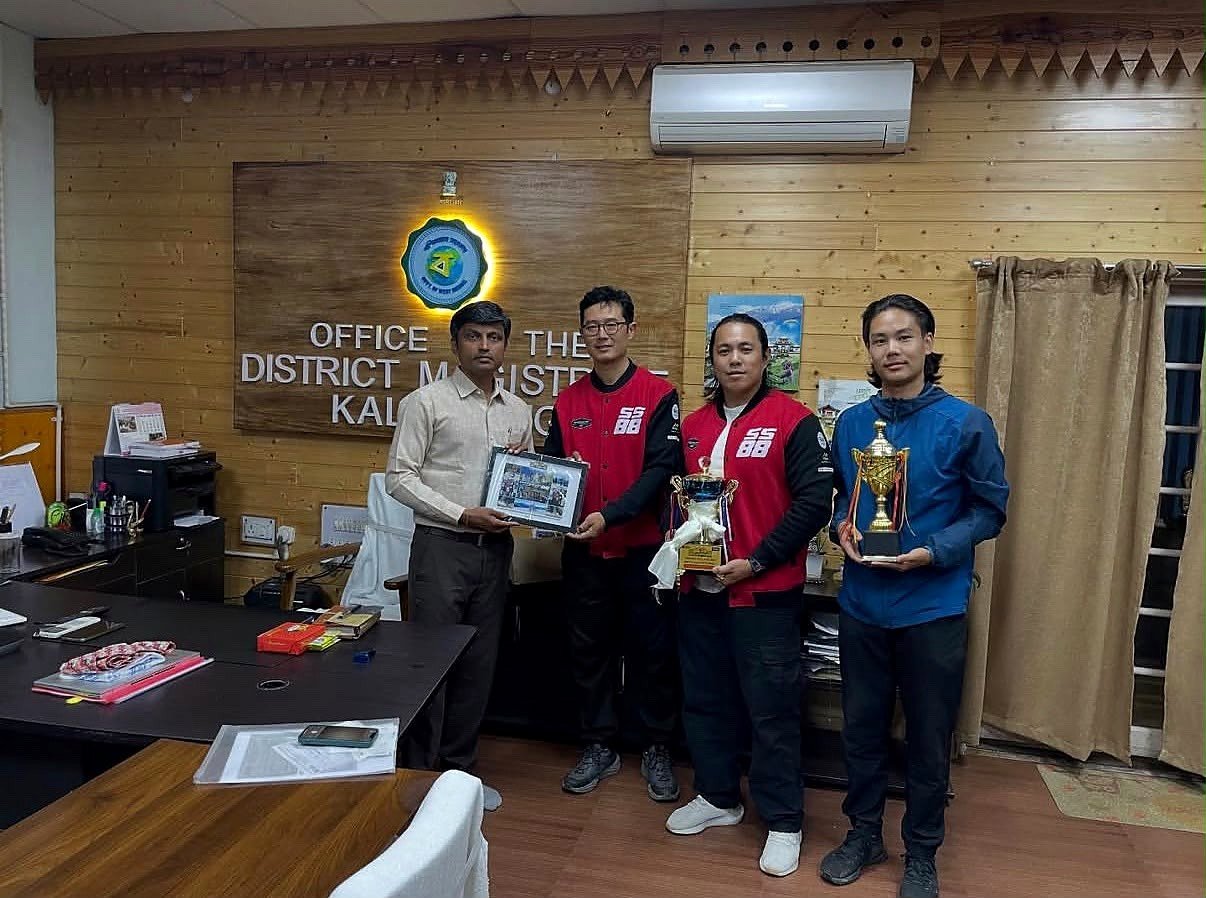
Weekday entrepreneur.
Weekend racer.
After business school Leon spent a year at Bajaj Auto headquarters in sales and marketing. By 2019 he had begun building businesses of his own.
His interests now extend across serviced residences in Kalimpong and Gangtok, 241 Brewhouse , Malabar and MingLen Speedshop88 . He also helps his parents with Za Khang , their authentic Bhutanese restaurant.
On paper, the two halves of his life look unrelated. In practice, he describes them in remarkably similar terms. Both involve preparation, calculated risk, the ability to remain calm when something changes, and the discipline to think beyond the immediate result.
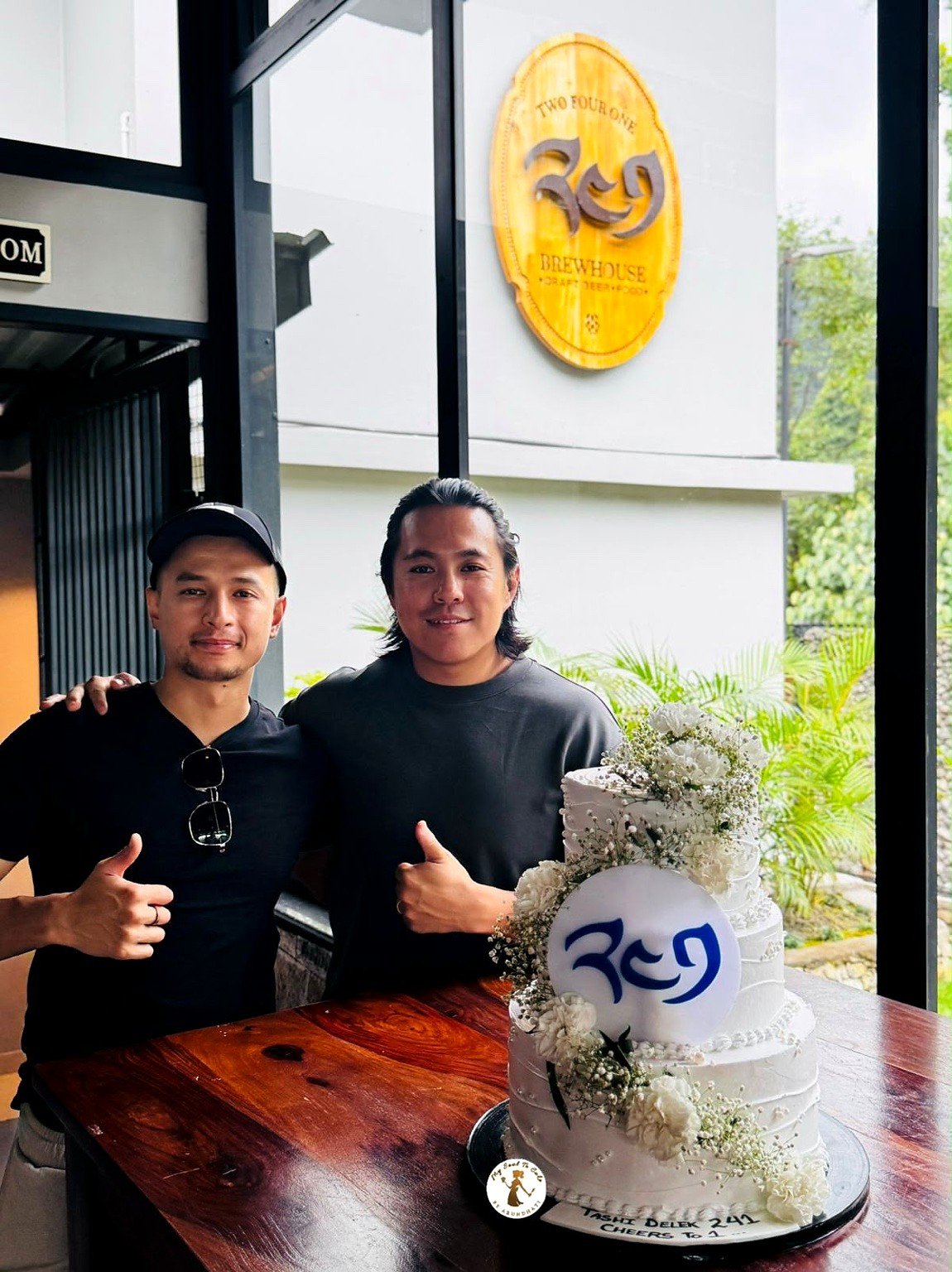
A brewery without a rulebook
The story of 241 Brewhouse is a useful example. The idea emerged during the Covid period. Leon and his business partner saw an opportunity, but discovered that the state’s existing excise framework did not contain the policy structure their proposed operation required.
What followed was not the dramatic part of entrepreneurship usually photographed for social media. It was approximately a year of working through a regulatory process before the business could proceed. Leon’s lesson from it is uncomplicated: patience matters.
Hard work, revisited
Asked about the SAS motto, Per Ardua Ad Astra, Leon returns to its simplest meaning: there is no substitute for hard work. His own path gives the phrase a slightly less predictable interpretation.
The unusual parts of a life do not necessarily require rebellion against the conventional ones. At school he raced nationally and still came first in class. When the Formula One route became financially improbable, he did not confuse stubbornness with courage. He went to SRCC and FMS. When racing returned to his life, it returned after education, corporate experience and the beginnings of an entrepreneurial career.
His version of pursuing a passion has therefore always contained a second ingredient: preparation.
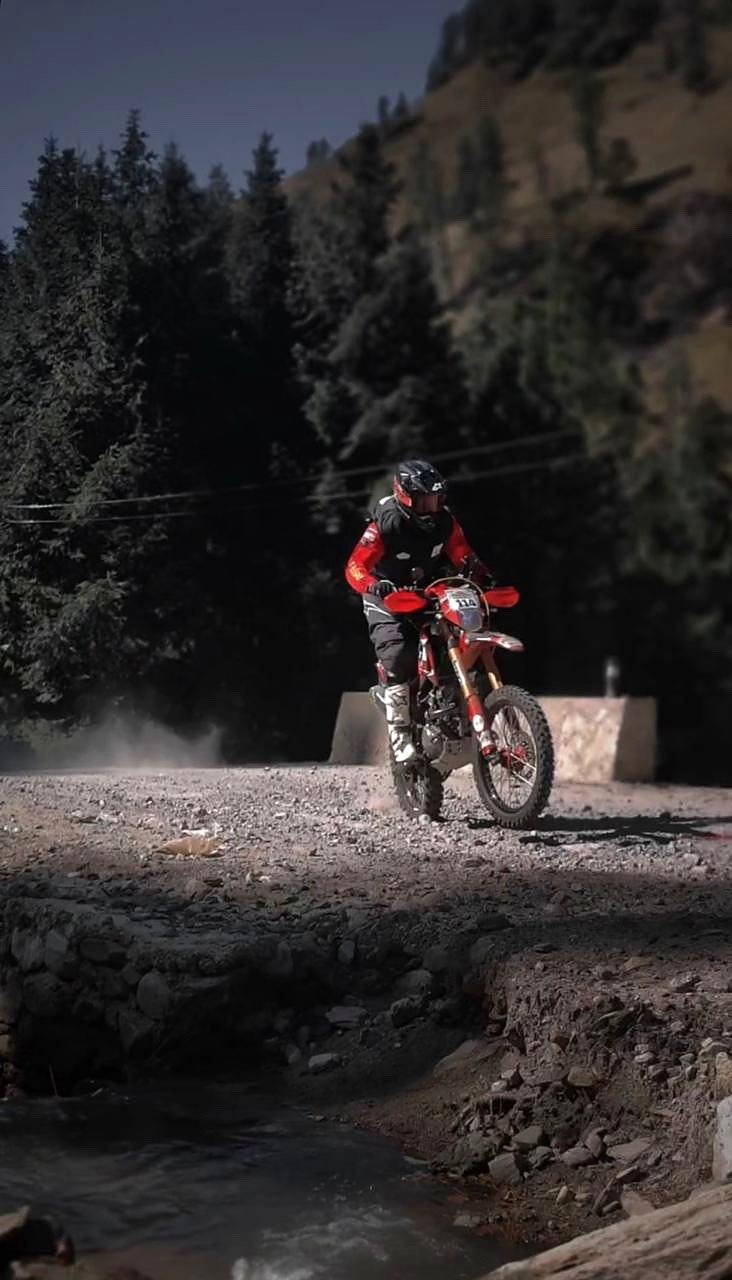
Somewhere in the middle of the race
Leon wants more national podiums and wins, and eventually hopes to compete in international rallies. In business, he wants to expand his brands and outlets without losing sight of sustainability.
That makes the present a particularly good place to leave him: not after a victory, and not at the beginning either, but somewhere in the middle of the race. The motorcycle is moving, the businesses are growing, and the next decisions are already being calculated.
Perhaps that is where the connection between Leon’s two lives becomes clearest. Racing has taught him that reaching the finish is not simply a question of going faster than everybody else. Sometimes you attack; sometimes you preserve the machine. Sometimes you discover that the route you began on is no longer the right one and have the good sense to choose another. But you keep moving.
For Leon Lhendup Wangdi, that has so far proved to be a remarkably effective way to race — and to live.